Clay can be found across the globe and is often considered a nuisance to gardeners. But how does it go from being in the ground to a material that is able to be formed?
The first step is digging the clay from the earth. At this point, it’s easy to remove large stones and clumps of soil. The goal is to get as little debris as possible; fresh, damp clay is exceptionally heavy, so taking out large stones and clumps of soil is a wise choice. It ease the difficult job of carrying a large load of clay all the way to the work space.


Next, the clay is set up to be sifted.
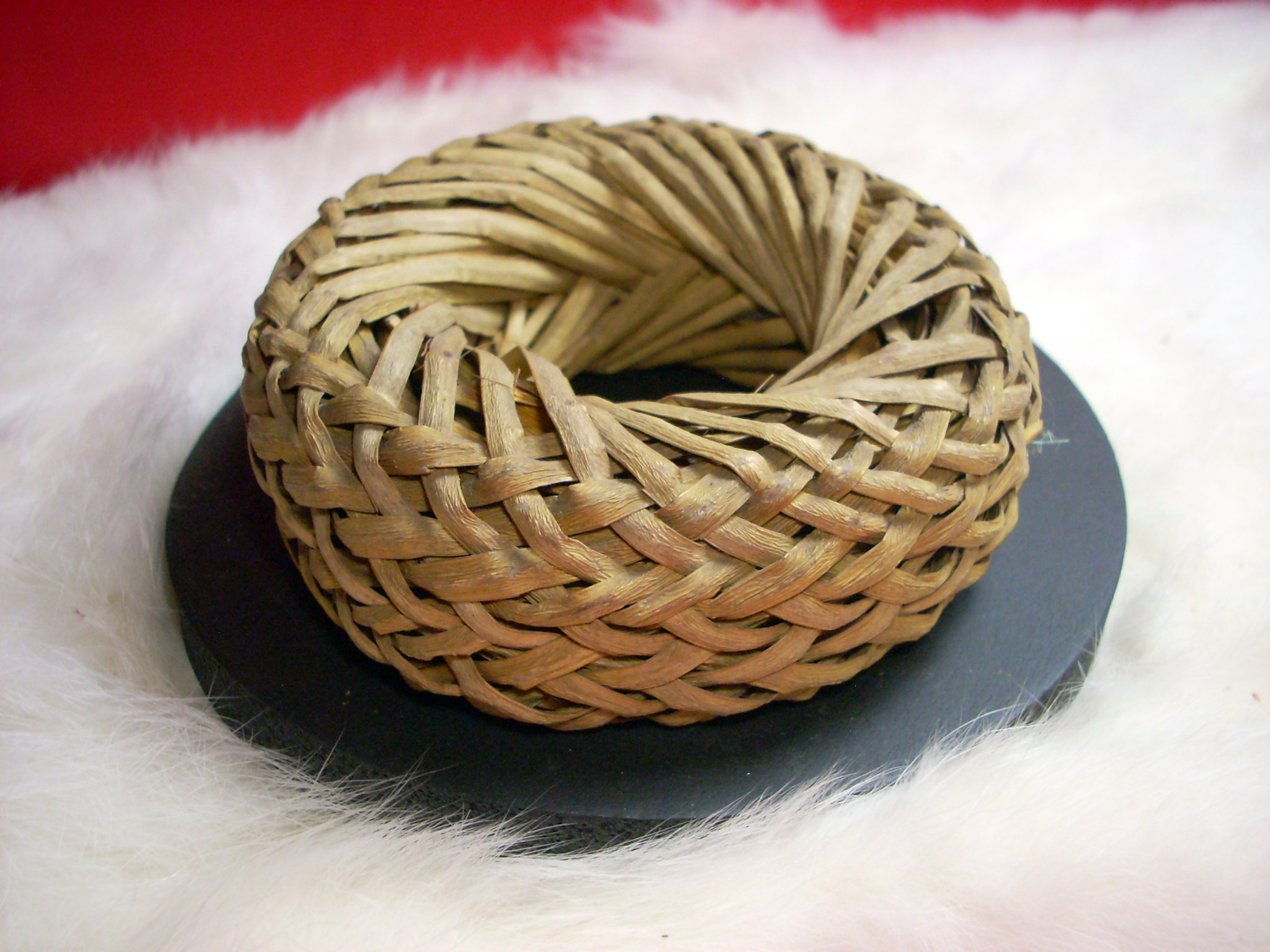
The fresh clay is left out to dry. After it’s completely dried, it’s easily ground into a powder. The powder is then sifted through a finely woven basket. The clay powder will fall through the basket into a container underneath while smaller unwanted pieces like insects or stones will be left behind.
In recent times, we often use water to help this process. You can do this process at home! Get two buckets and a screen. In one bucket, place your clay powder and add enough water to turn into the consistency of a thick soup. Take the second bucket and secure the screen on top. This can be with a heavy duty rubber band, rope, or make a frame to sit on top. Slowly pour your “soup” from the first bucket through the screen and into the second bucket. The dissolved clay will easily pass through and leave debris you can toss out on the screen! You can then leave the bucket full of “clay soup” to sit. The clay will settle to the bottom so you can scoop or gently pour out the water on the surface.
After that, you’ve got mostly clay! You can let it dry and turn it into a powder for easy use later (just add water) or jump right into getting your hands dirty!


But sometimes there’s more steps!
Some areas like Georgia and Tennessee have some excellent areas to get clay and it’s perfect the way it is. But many areas had to experiment! Here on the Outer Banks for example, the clay is full of salt and decayed plant goop. It makes the clay too soft and weak to make anything functional by itself. This has to be compensated with ground clam shells and why much of the found pottery here has little white flecks!
Would you be interested in trying to experimenting with your own clay? Have you done it before? We’d love to hear about your experiences on our Facebook Group!