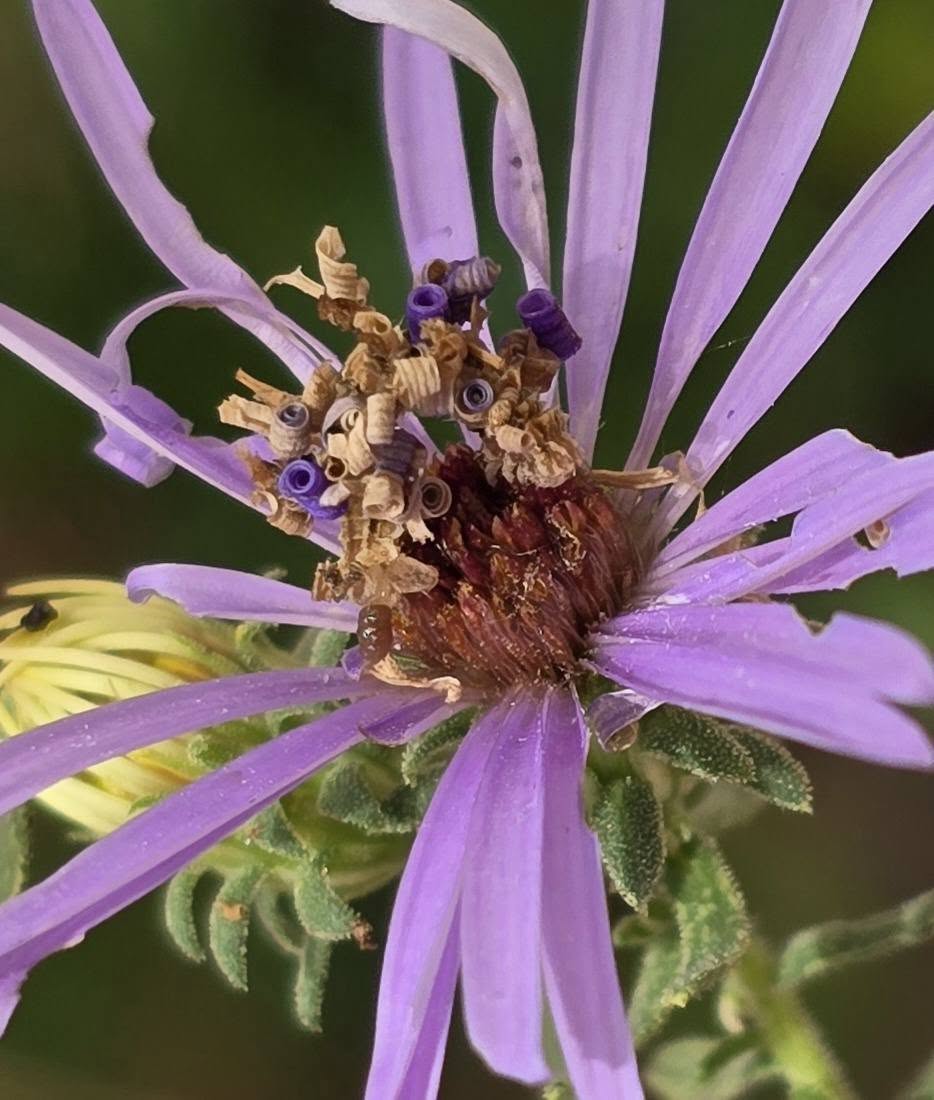
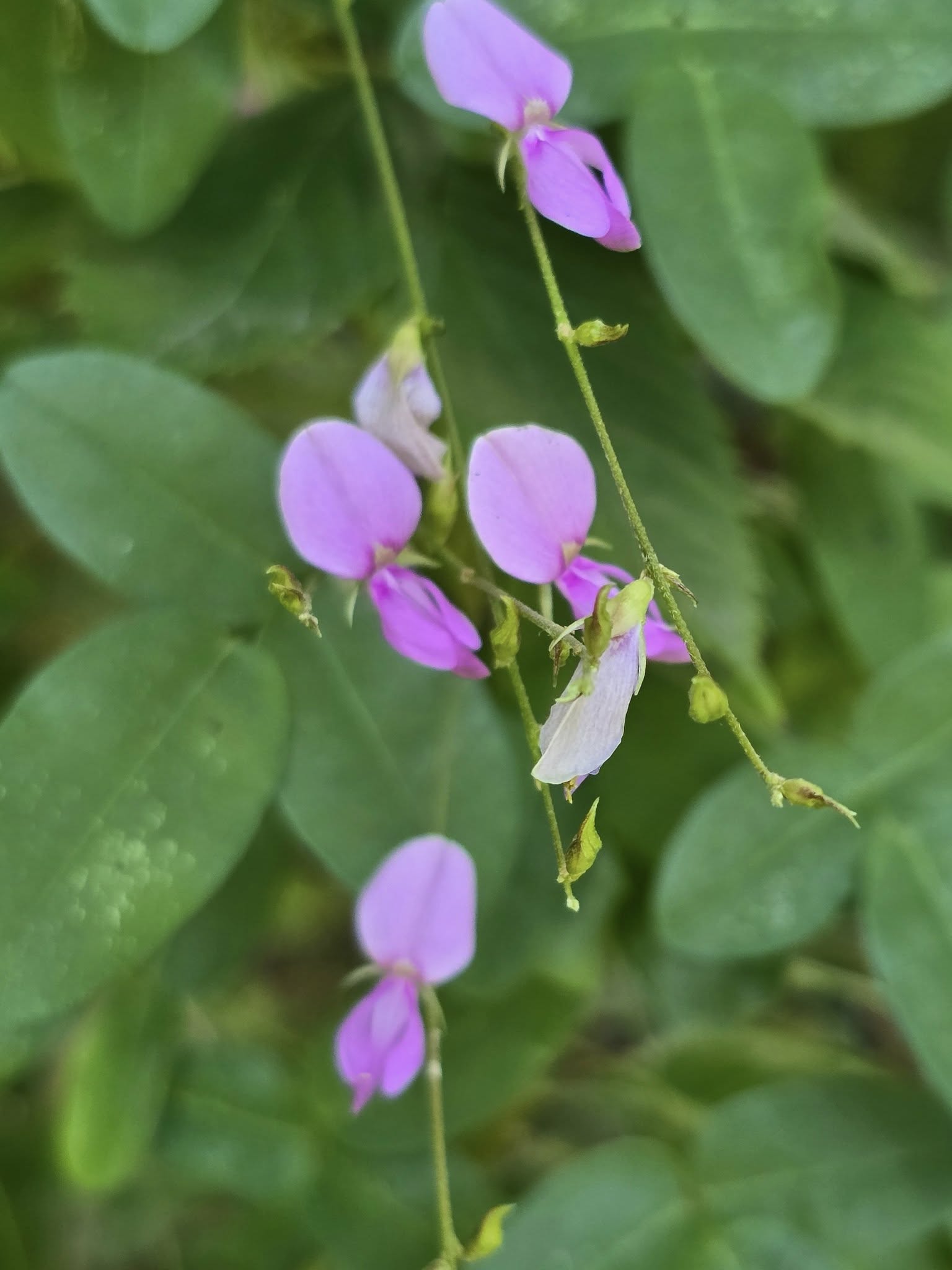
It’s National Pollinator Week and we’re all about encouraging our native pollinator friends!
Our support of our native pollinators didn’t start with the project we mentioned in our previous update on National Public Garden Week. It started with planting Green-headed Cone Flower (Rudbeckia laciniata) in the tiny garden next to the front door.
These flowers are very common wild flowers and sometimes even seen as an annoyance because of how they can grow tall and spread quickly. We, however, love our beautiful splashes of yellow that greet us!
Even better, is that we’ve been able to note a very distinct increase in native bees and other pollinators since planting them! The first year, we saw only 2 little green sweat bees (pictured here). The second year, dozens of them as well as leaf-cutter bees. Last year? They were covered in sweat bees, leaf-butter bees, small carpenter bees, and other species that don’t have a more common name!

But It Isn’t Just The Bees…
We’ve seen an increase in so many different pollinators! We’d like to take a moment to share with you some of the photos that staff member Amber Roth has been able to take from museum grounds of our lovely local insects so you can be on the look out!
Bees
Of course, let’s continue with the bees first. Did you know there’s about 3,500 species of bee just in North America?! In North Carolina, 564 noted native species! From teeny tiny species of bee like the one pictured below in the pink sea morning glory, to the a large carpenter bees we’re all familiar with… that’s a lot of bees to meet!


Wasps
Bees aren’t alone in their efforts, but most people never think to consider wasps as being important pollinators. In fact, there’s over 18,000 wasp species noted here in the North America! But don’t let that number alarm you. Despite a lot of myths, many wasps are completely harmless and there’s even a species that you can thank for your morning coffee called Phymastichus coffea! Even the ones that have the capability to sting do important work in the garden. Not only do they pollinate, but they grab up caterpillars that are munching your plant leaves to bring to their hungry young! Do you recognize any of the wasp friends below?


Moths & Butterflies
With our 2nd Annual Moth Night, we don’t want to leave out our Lepidoptera friends! Lepidoptera is a classification that holds all moths and butterflies together. Butterflies get the most attention, but did you know there’s sneaky little wasp mimic moths?! You can see one in the images below! It’s a little black moth with wings and antenna that will have you thinking we put a wasp in the wrong category! Whether they’re brightly colored, being sneaky, or blending in, these little winged friends can fly long distances to find the flowers they need to eat and lay their young on. Some species will even leave their eggs to hibernate in fallen leaves! If you’ve ever heard someone mention Leave the Leaves, they’re on of the reasons why! What’s your favorite moth or butterfly?


Flies
If you never considered wasps to be important pollinators, I bet you never thought that flies would be in this category! Even horse and deer flies are pollinators! Even more surprising, did you know that mosquitoes are very important pollinators? There’s even a whole group of flies called hover flies that look like predatory insects to visit flowers. Take a look at the images below. Do you see the one that looks like a queen yellowjacket? Look VERY closely and you’ll see the antenna are legs! When this fly is in the air, it looks like a yellowjacket, sounds like a yellowjacket, and even moves like a yellowjacket. It’s hoping that birds and other predators think it’s disguise is convincing and it is left alone to eat nectar in peace. Did you recognize it as a fly? What were you able to notice that made it different?


Beetles
And if you thought flies were underappreciated as pollinators, we can’t close this post out without mentioning beetles! Many beetles are nectar drinkers at some point in their life. Even though most are quite smooth, some pollen does manage to travel with them in order to accomplish pollination. Have you ever noticed beetles on your flowers?


Support Our Efforts by Donating!

Over the past couple of years, we’ve been working hard to plant native plants and encourage our native pollinators to visit. In partnership with Backyard Butterflies, we’ve held our first annual Moth Night and have already scheduled our 2nd in June!
We’ve got some big ideas that need your support! We’d love to provide some educational signage about our garden and how it changes through the seasons. We’d also love to eventually purchase our own LepiLed light in order to host other bug nights for everyone to enjoy.
Please consider donating to our GoFundMe campaign to help us achieve these goals towards education and supporting our beautiful island!
How Will You Celebrate National Pollinators Week?

It’s so easy to celebrate and so many ways to do it!
- Walk our nature trail and see what pollinators you can find
- Plant your own garden full of native plants
- Remove common invasives like dandelion and clover in favor of native plants to help keep native species healthier
- Ask local businesses if they’d consider growing native plants
- Look for species every day this week and document the variety
- Plan a nature hike and take photos of what you find
- Upload photos to iNaturalist to help scientists monitor species wherever you go
- Donate to your favorite non-profit that grow work to support native pollinators
- Collect and share seeds from native plants that you’re growing
- Hold contest with friends for best photos of local pollinators
What will you be doing? We’d love to hear from you! Share pictures and/or stories of what you’re doing this week on our Friends of the Museum Facebook Group! Subscribe by entering your email below to get all the updates directly to your inbox!
Financial information about this organization and a copy of its license are available from the State Solicitation Licensing Branch at 919-814-5400. The license is not an endorsement by the State.